Model T Ford 1917
Sold Out
Get the latest updates first.
 Join Our Newsletter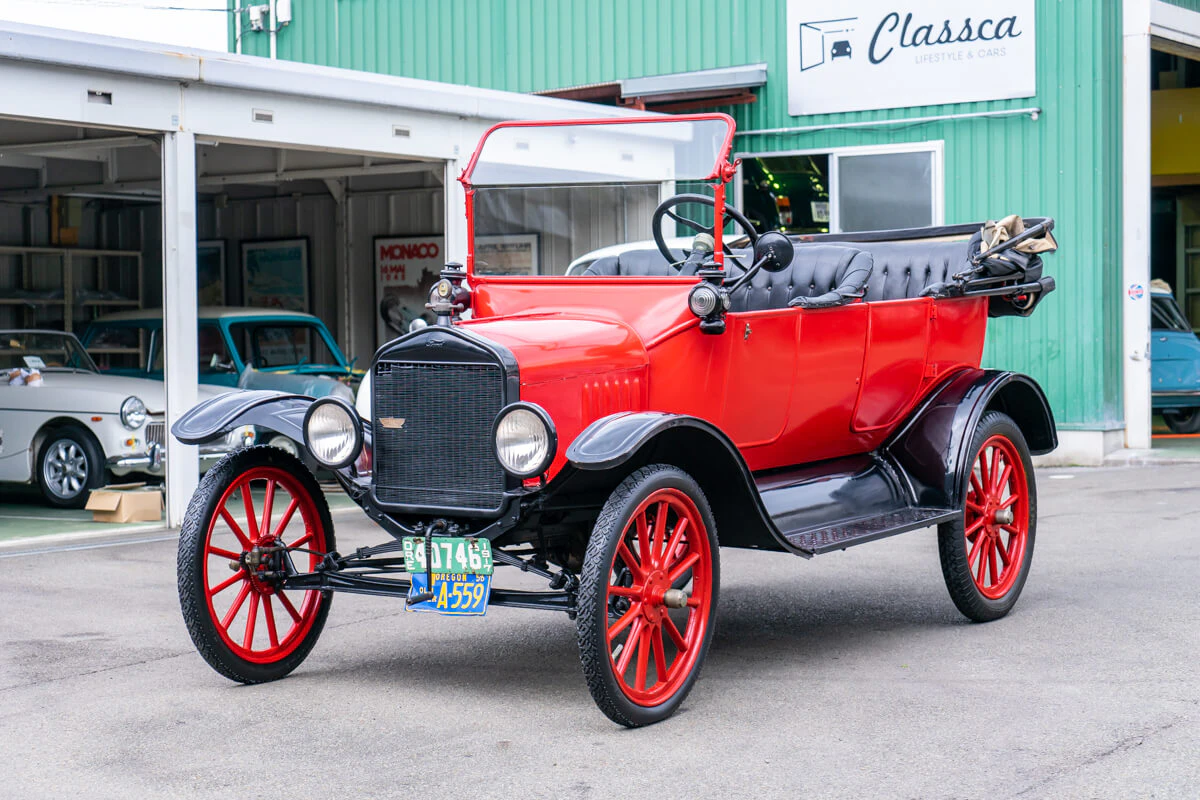

MOVIE
POINT
The Model T Ford advanced the history of automobiles. Introducing the legacy left behind>
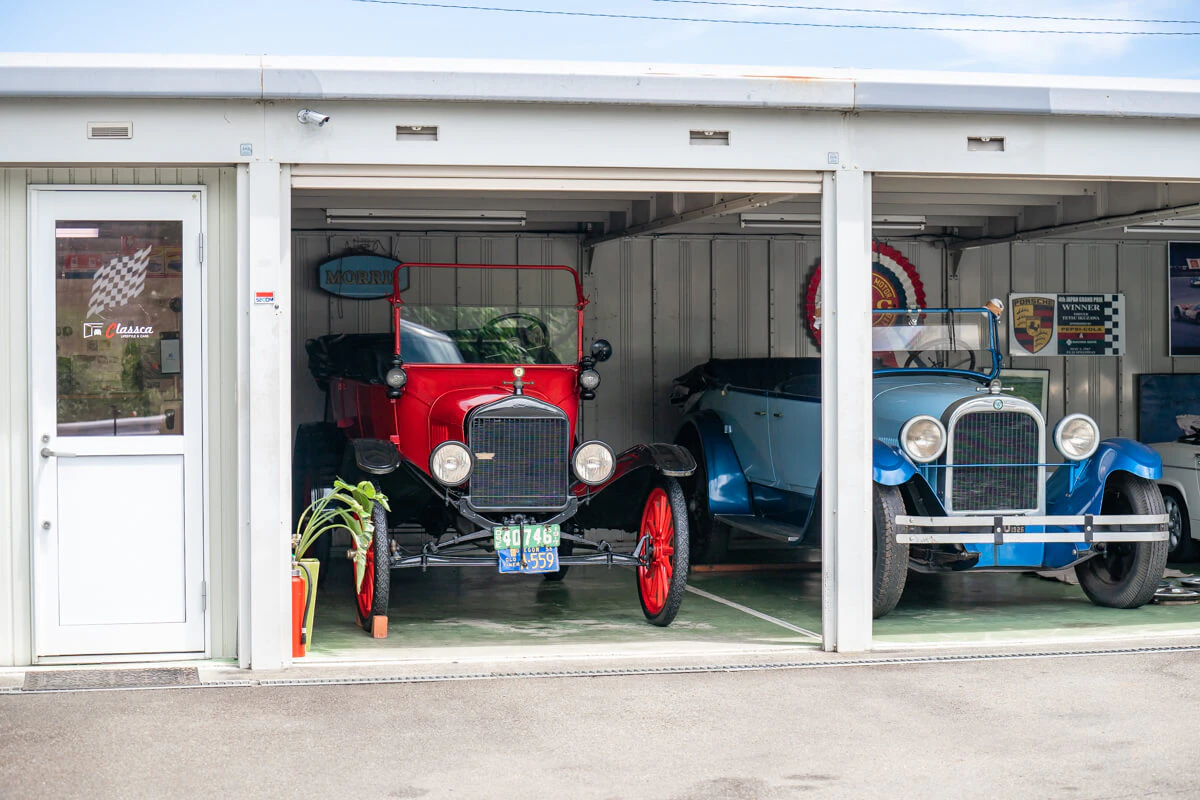
The very rare Model T Ford has arrived! The Model T Ford was developed in the 1910s and left a great mark on the history of automobiles. I would like to introduce its history.
``Left-hand drive in countries that drive on the right'' became established:
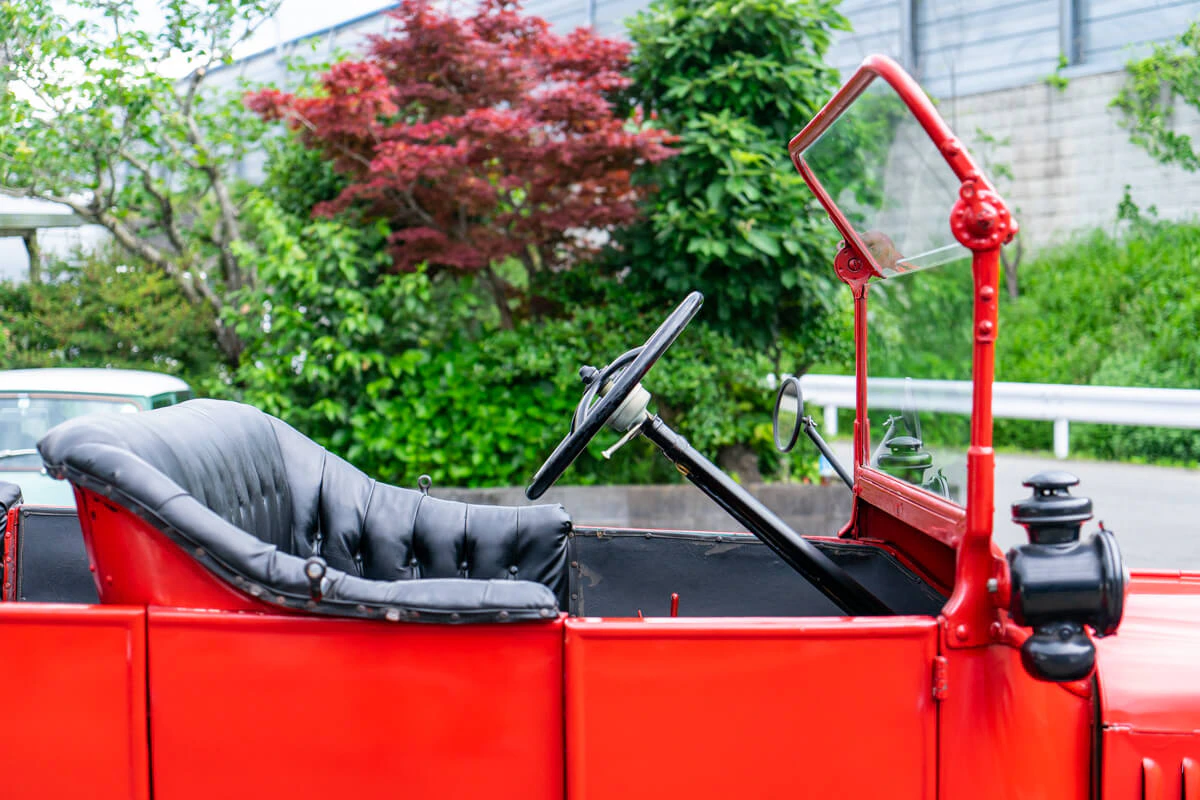
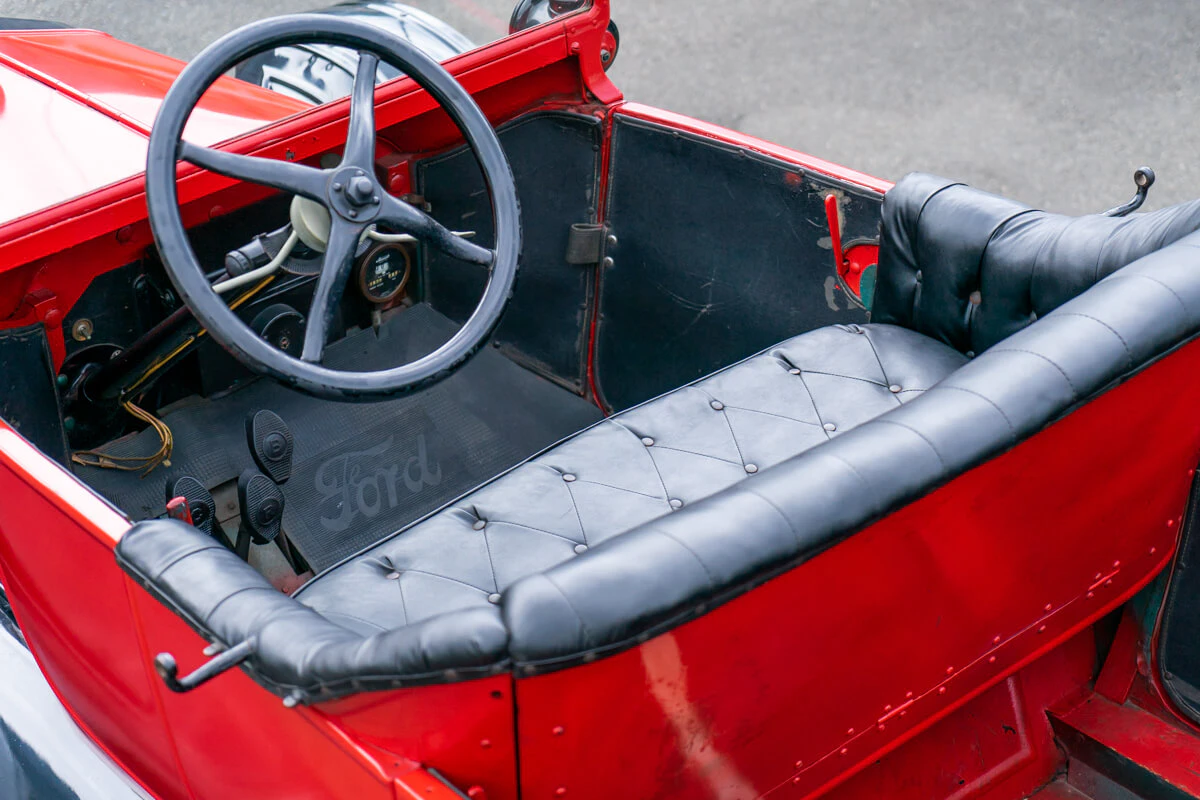
When automobiles began to be manufactured in the early 20th century, many cars were made with right-hand drive in the United States. At that time, the Model T Ford advocated that cars in countries where driving was on the right should be left-hand drive, and advertised this as well.
The reason why ``it should be left-hand drive'' is said to be out of consideration for the woman who was riding with him. Back then, the roads weren't paved yet, so my shoes got muddy when I walked on them. If the car is a right-hand drive car, the lady in the passenger seat must go down to the dirt road and walk to the sidewalk. If the car is a left-hand drive car, it can be parked on the right side of the sidewalk, so the ladies can get down to the sidewalk right away, so their feet don't get dirty. The Model T Ford's advertising slogan resonated with Americans at the time: it was a left-hand drive car for men who valued women. At the same time, the Model T Ford became so pervasive that it filled American roads, and other manufacturers followed suit, and left-hand drive became the standard model.
Established a mass production system for cars:
When I think of the Model T Ford, I am reminded of how it was created one after another in a mass production system, as Chaplin quipped in the movie Modern Times. However, the assembly line using conveyor belts was not actually something that existed from the beginning of Model T Ford production; it was a system devised to fill the large amount of orders that came in at the time of the car's announcement.
It is said that Henry Ford got the idea at a cannery, but it seems that it was invented by a later biographer. At first, Ford factories delivered parts to cars and assembled them. Since it was no longer possible to keep up with the number of orders, the idea to move the cars was to have one of the factory workers use rough ropes to pull the cars to where the parts were.
In any case, Henry Ford's idea was to make a lot and sell a lot. This led to the creation of a mass production system, and although several types of bodies were available, there was only one model, and the paint color was uniformly black, except in the early and late stages of production. As a result of mass production, the price was gradually lowered from its original price of $850 (although it was sometimes raised due to the war), and in the last few years it was as low as $290. Annual production started at 10,000 units, but in 1922 it exceeded 1.2 million units, and at its peak in 1923, it exceeded 2 million units.
Produced in large quantities, lowered prices, and made it possible for everyone to own a car:
Before the Model T Ford started rolling out of factories one after another, automobiles were extremely expensive and were out of reach for the average person. The Model T brought the convenience and fun of motoring to people who had previously given up on buying a car.
The fact that America has become so deeply connected to the automobile that it is often referred to as the Nation on Wheels is a result of the Model T Ford. Total production exceeded 15 million units in the 20 years from 1908 to 1927, so they were sold in every corner of America.
It was a convenient machine called the Model T Ford that changed the age of horse-drawn carriages to the age of automobiles, especially for people living on farms far from towns. You can see this in the film The Grapes of Wrath, directed by John Ford and based on the original work by John Steinbeck. The story is about a family of farmers who are forced to leave their land and load all of their belongings into an old truck and travel to California, but they have many difficulties paying for gas and overheating. The model used in the movie appears to be the Model A Ford, the successor to the Model T, but the image of a used truck that manages to keep running despite being so loaded with cargo that the body of the truck is almost stiff is exactly what the Ford Model T was supposed to look like. It was a familiar sight everywhere in pre-war America.
The prototype of automatic transmission was used:
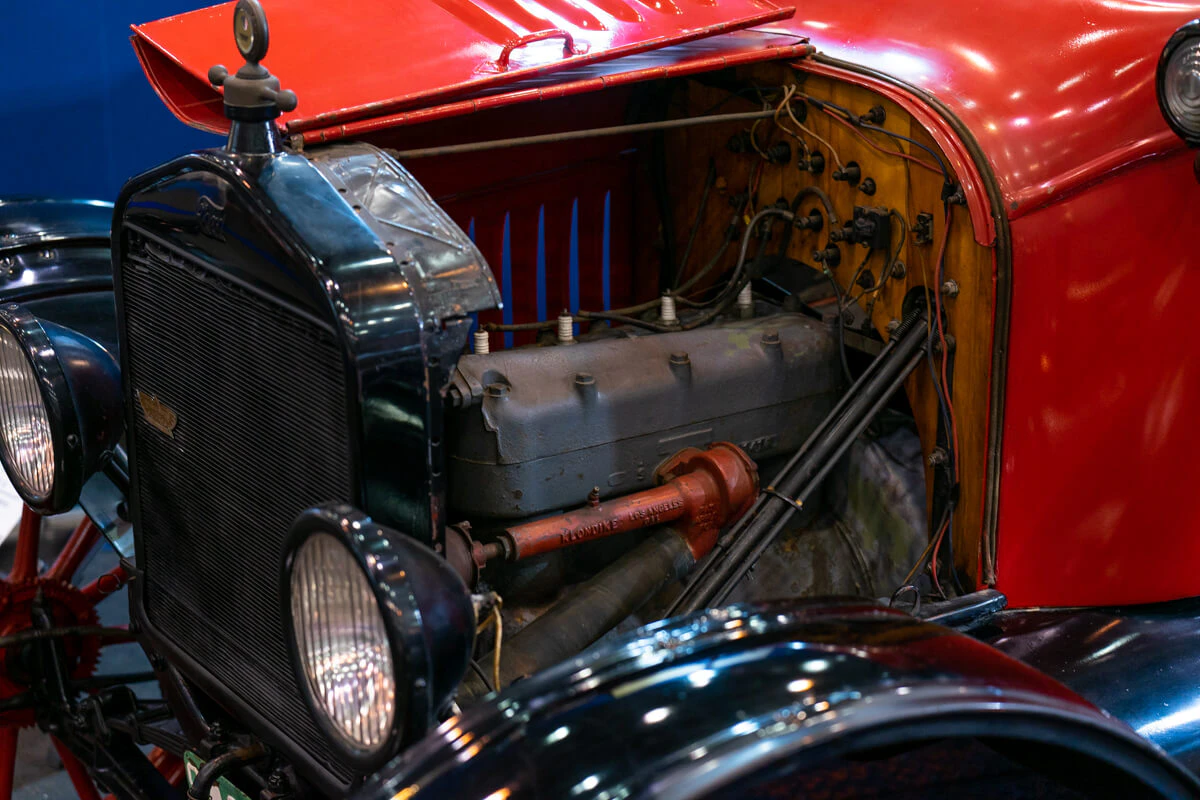
The Model T Ford's engine is a 2.9-liter four-cylinder engine. Because the compression ratio was kept low, the power output was not spectacular, but it was praised for its high reliability among the cars of the time. The gearbox was somewhat unique in its structure. The Model T used a two-speed planetary gearbox instead of the typical cone clutch and three- or four-speed spur gearbox of the era. From there, there were no difficulties for beginners such as the difficulty of clutch operation and gear shifting, and it was easy to use even for first-time motorists.
If we compare the Model T Ford to fashion, it may be easy to understand the role of fast fashion in contrast to the luxury goods of haute couture. If anything is different, it's that well-worn fast fashion is never neglected, whereas there are still plenty of Model T Fords left in America. It's not just an old machine, it's a cherished companion filled with family nostalgia.
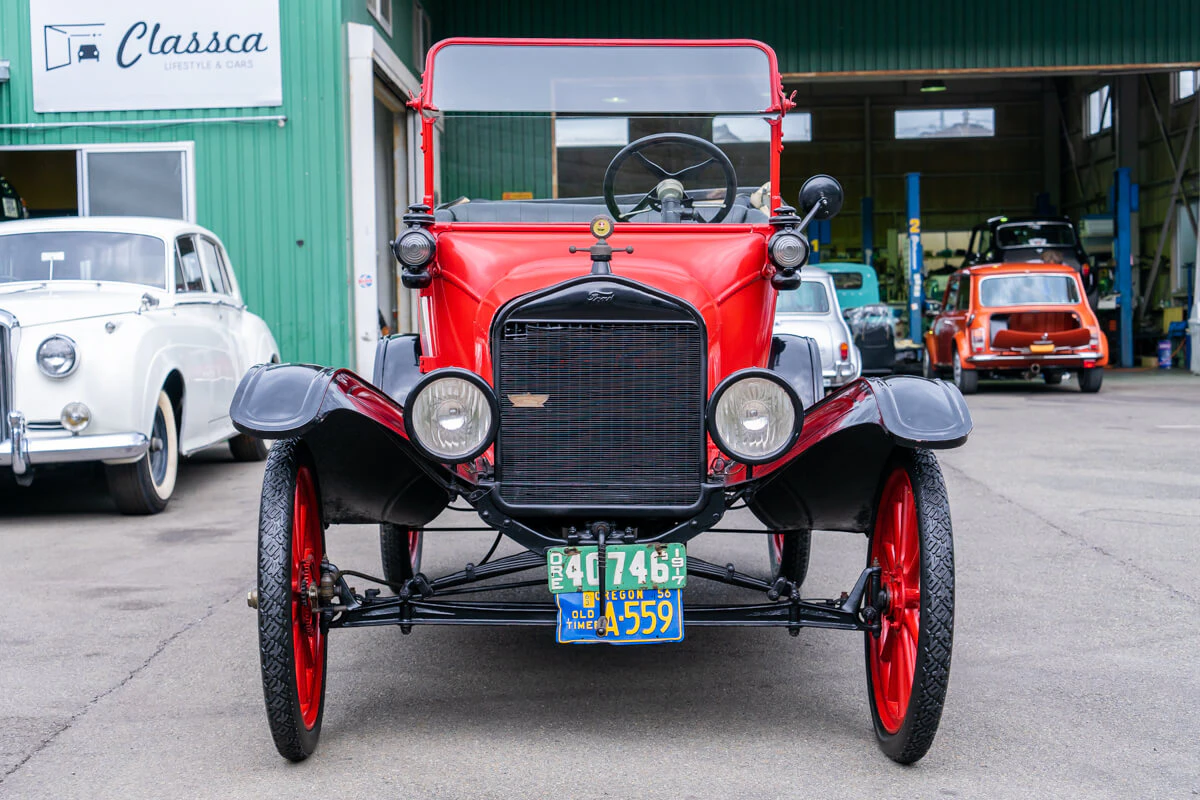
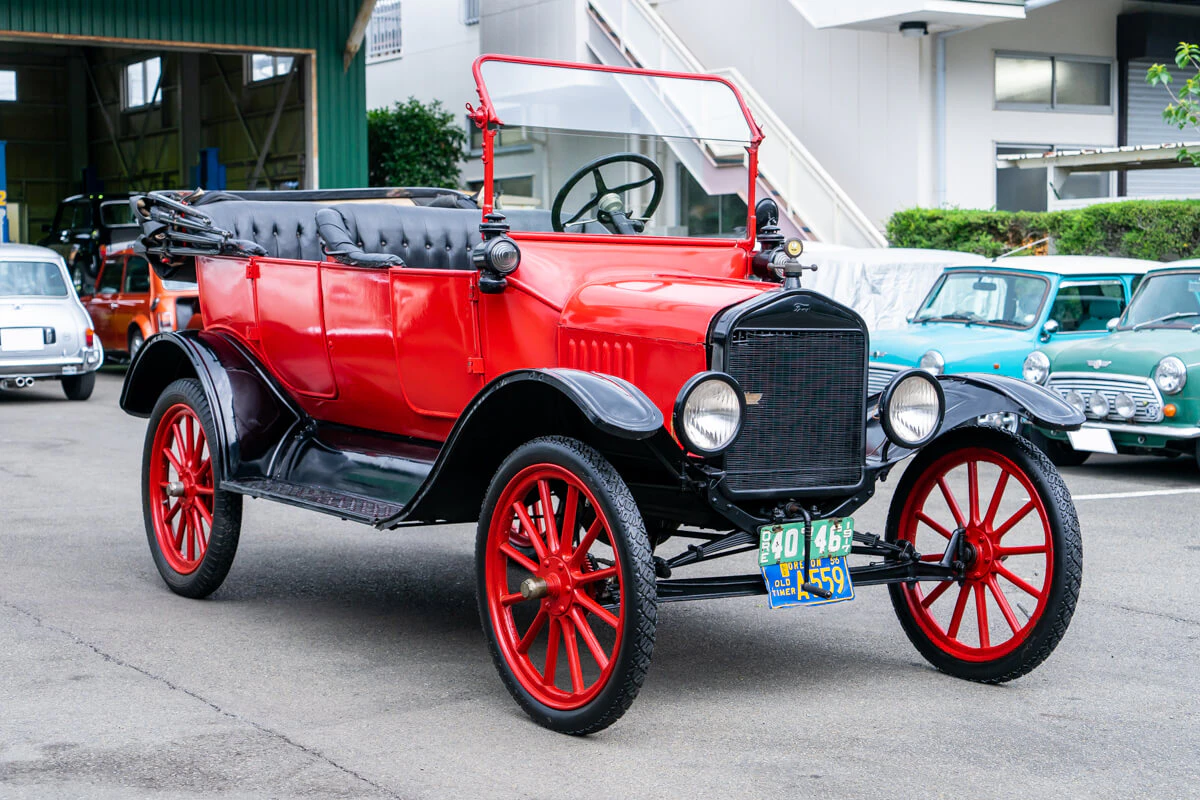
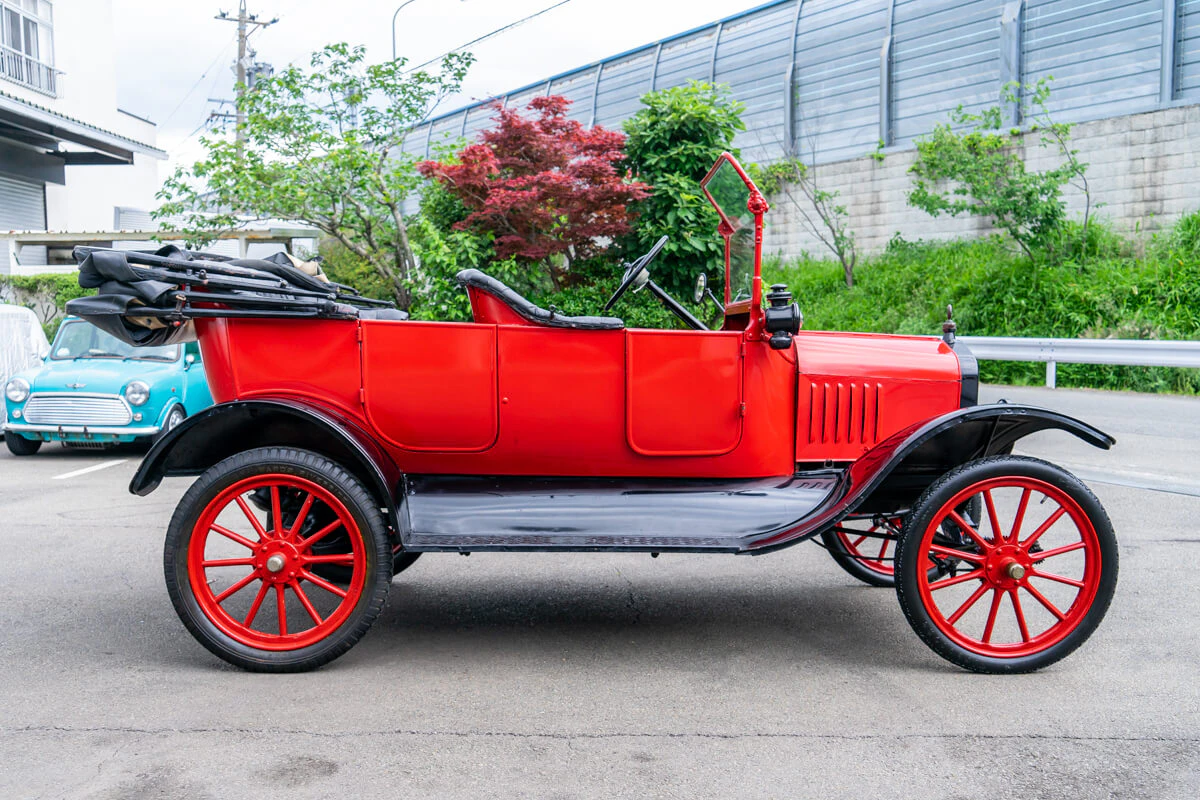
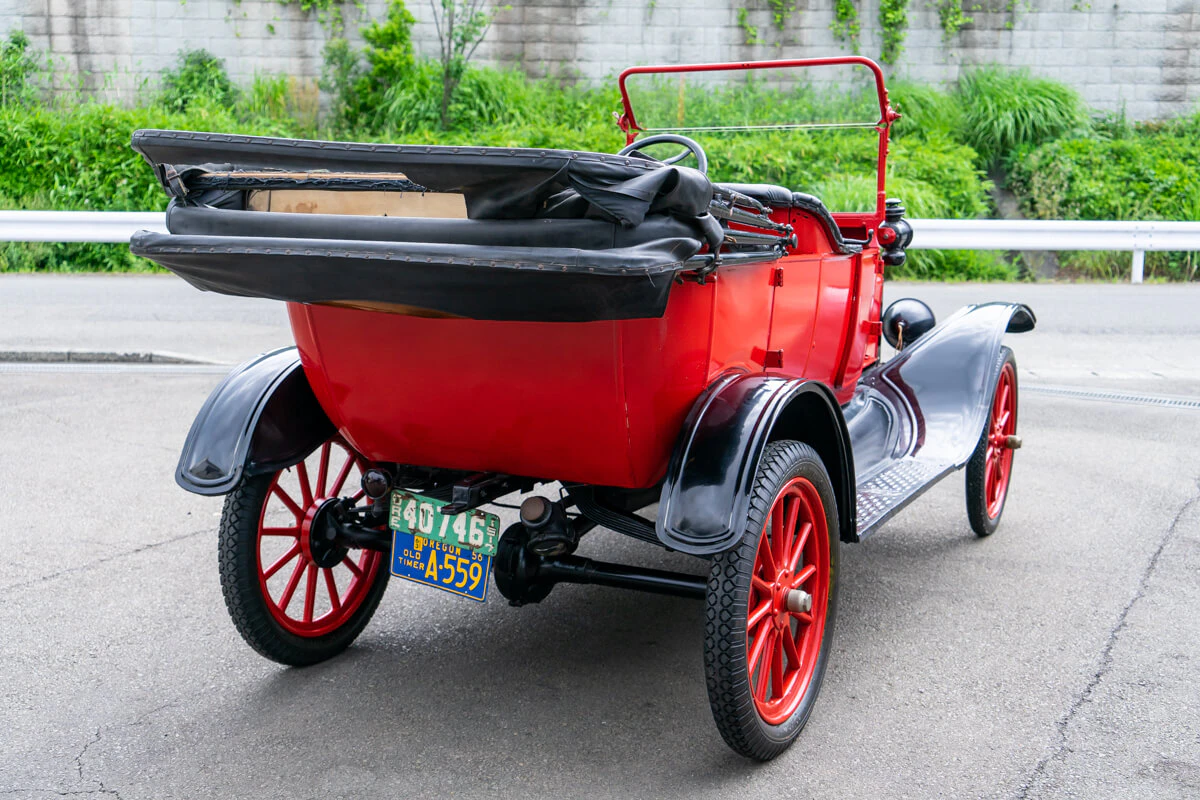
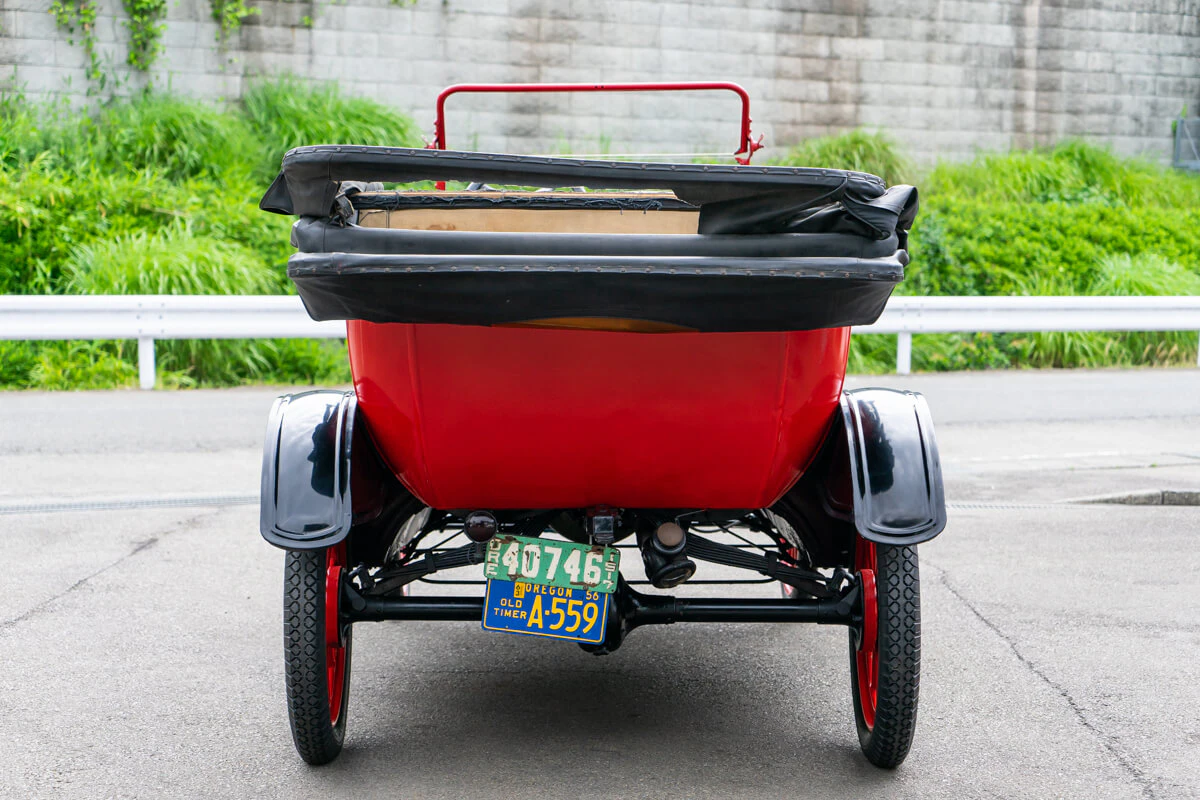
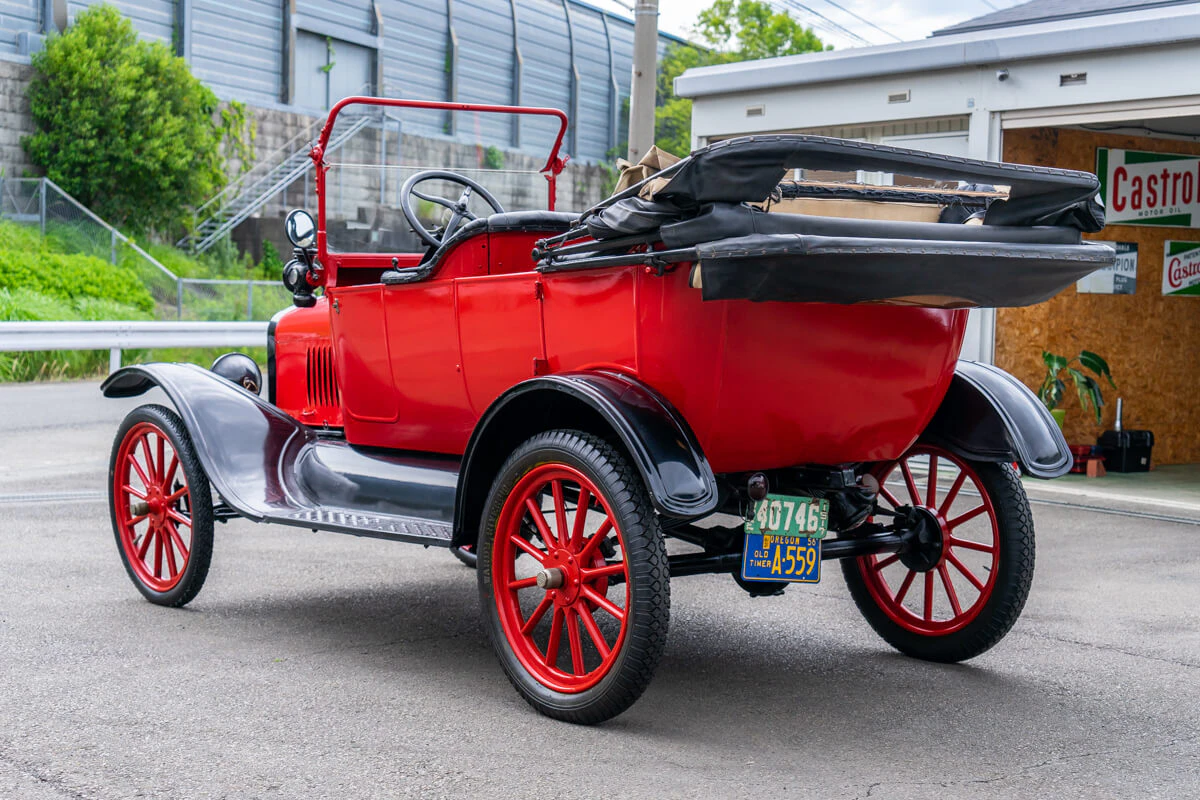
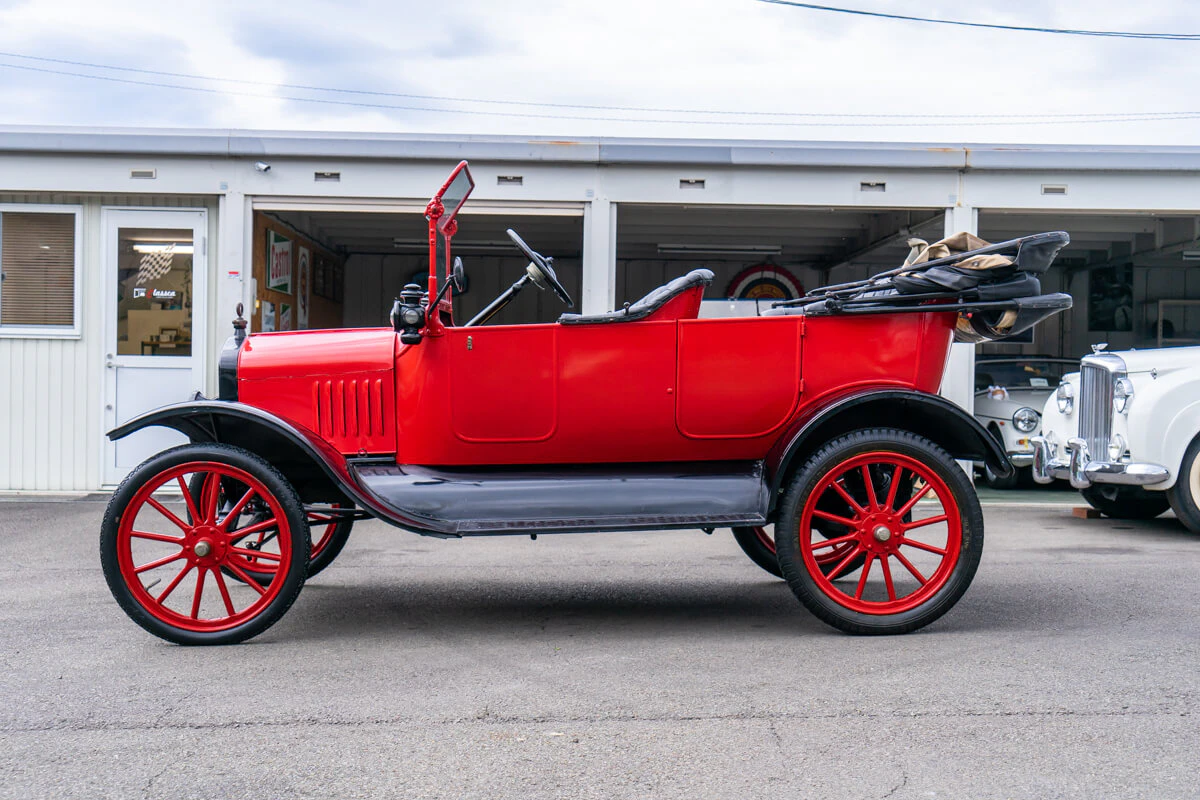
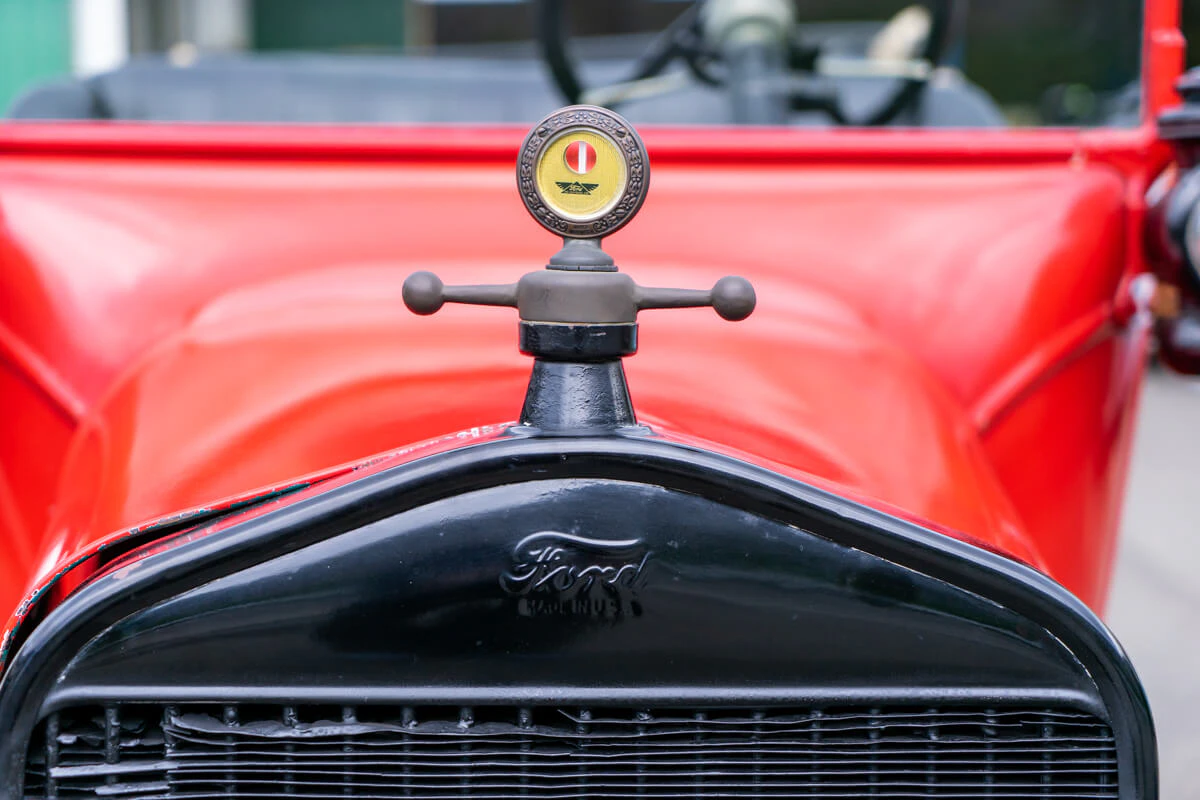
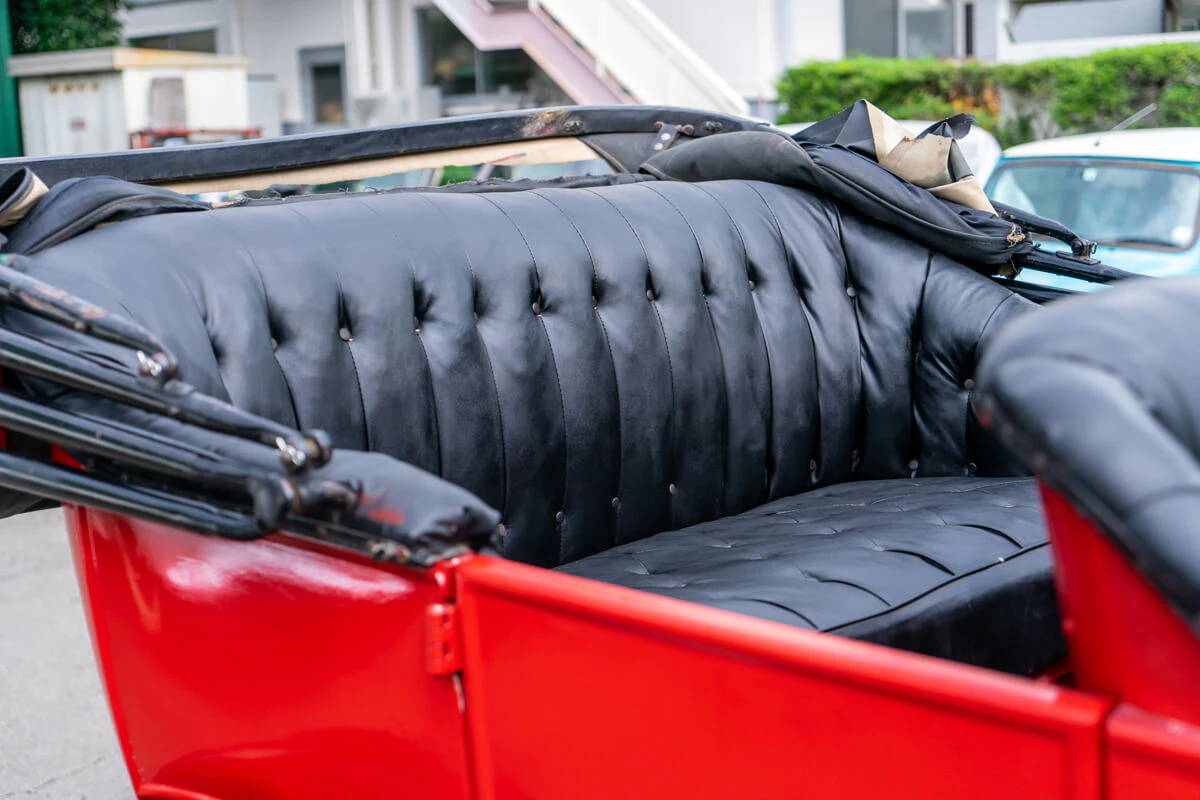
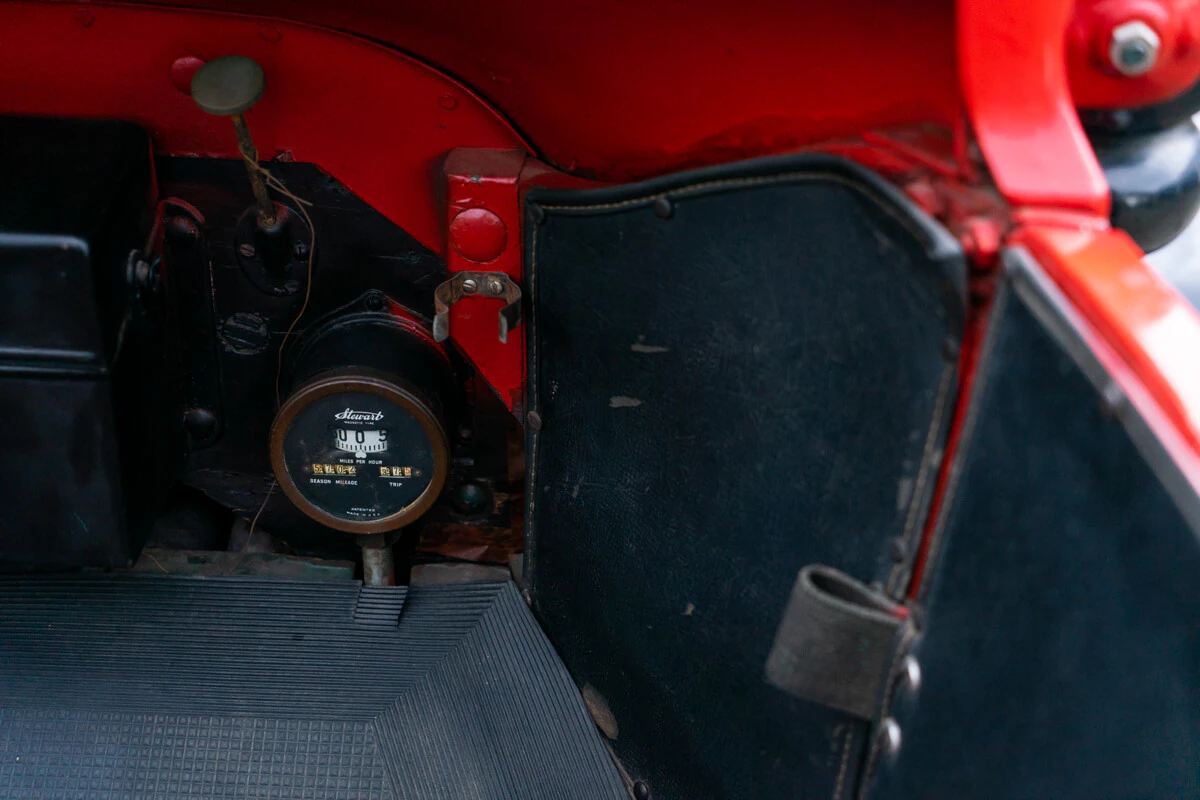
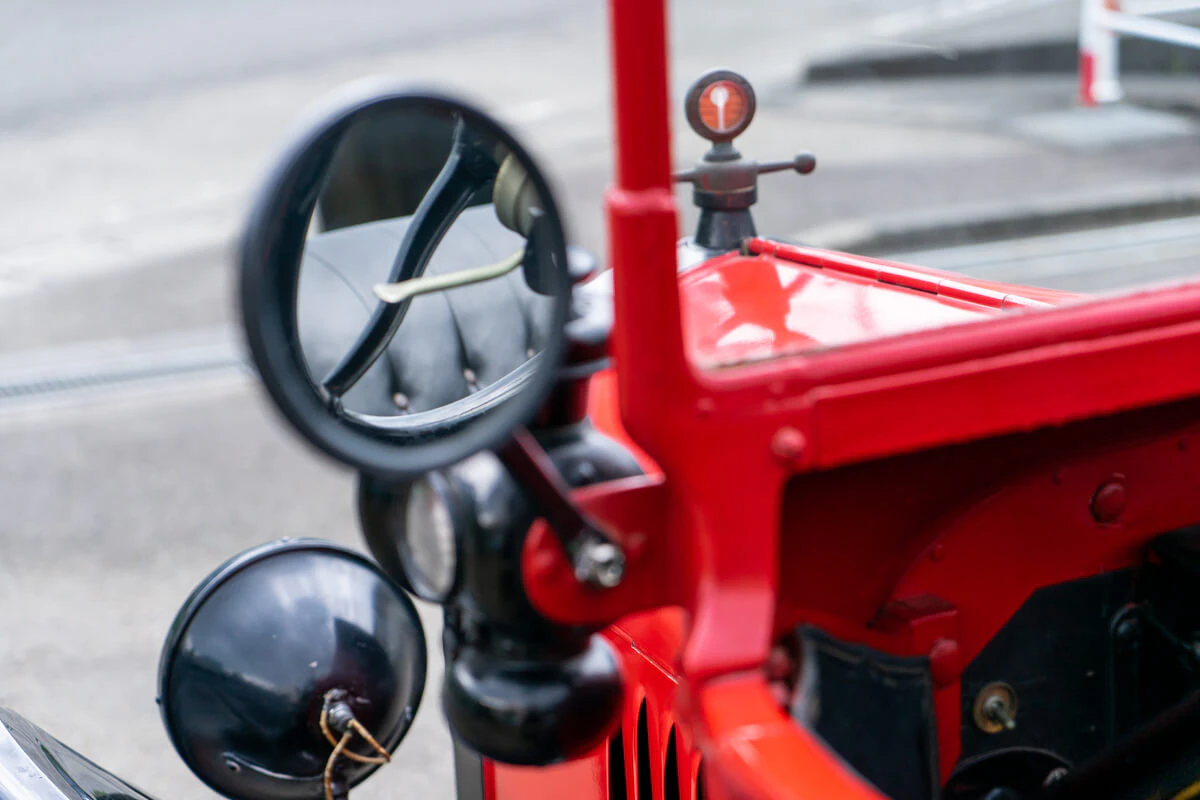
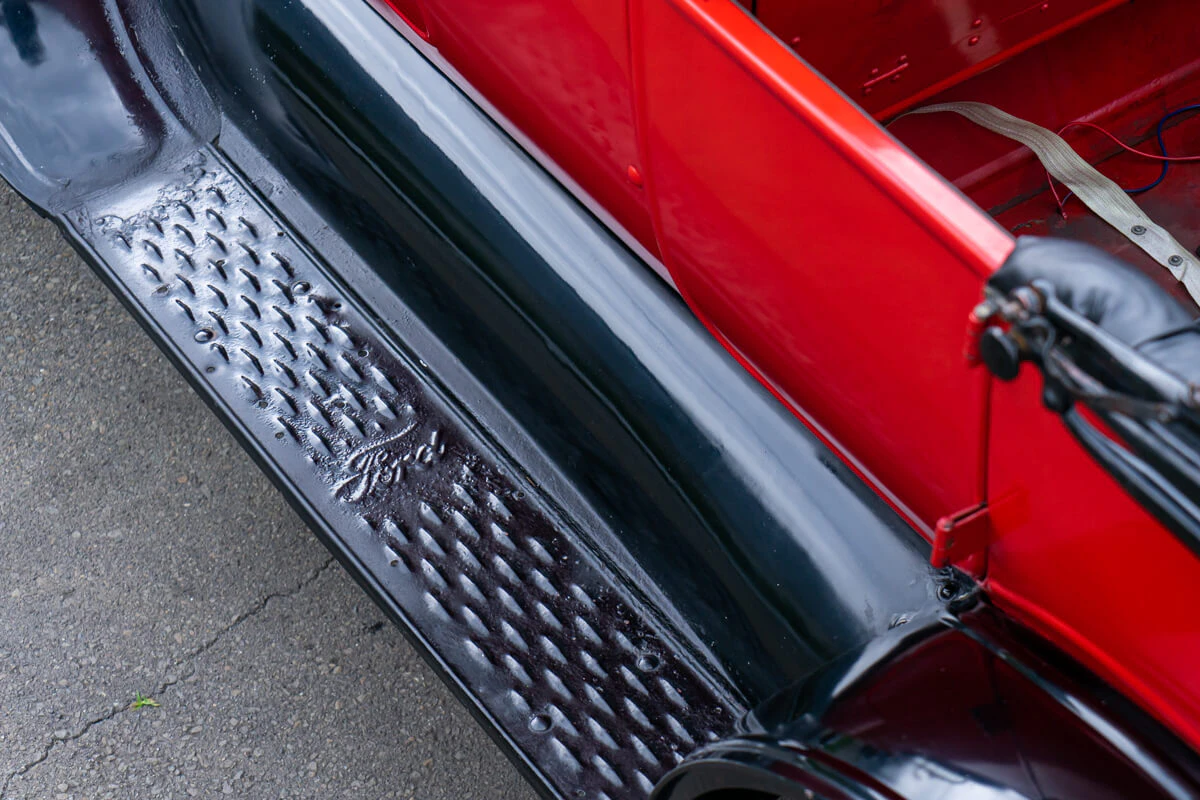
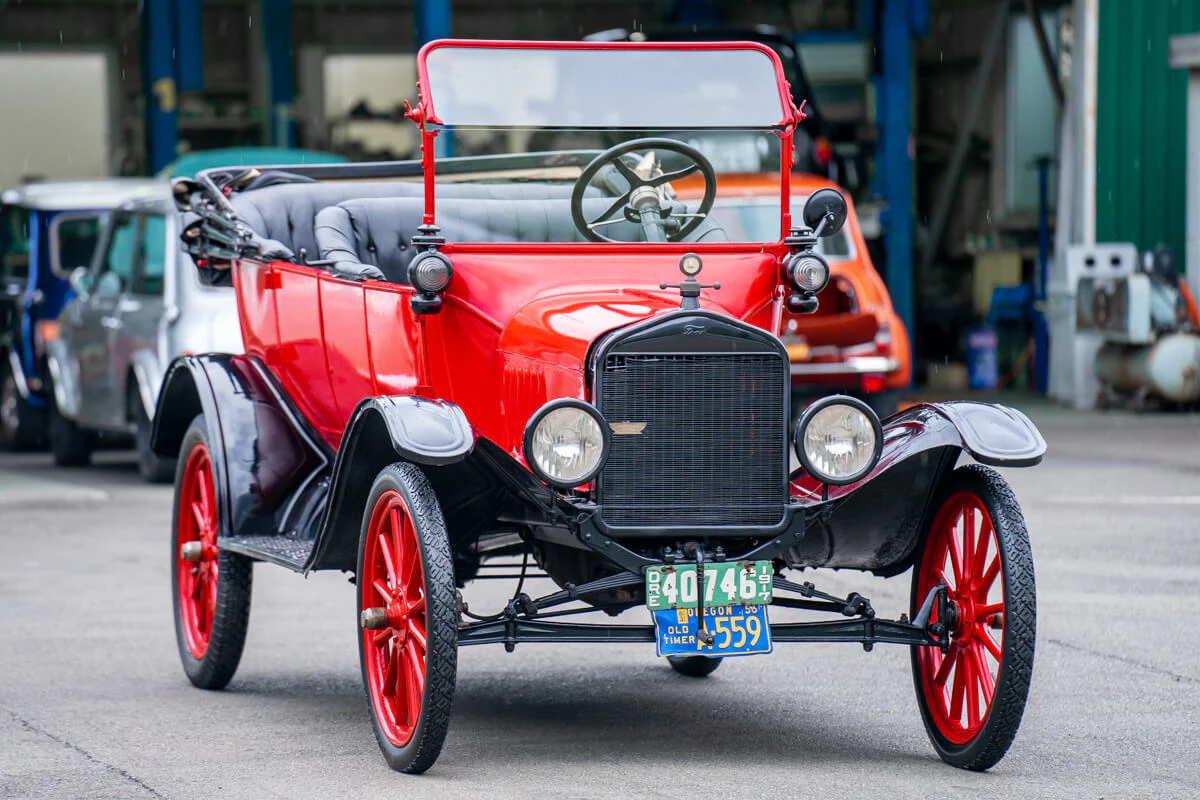
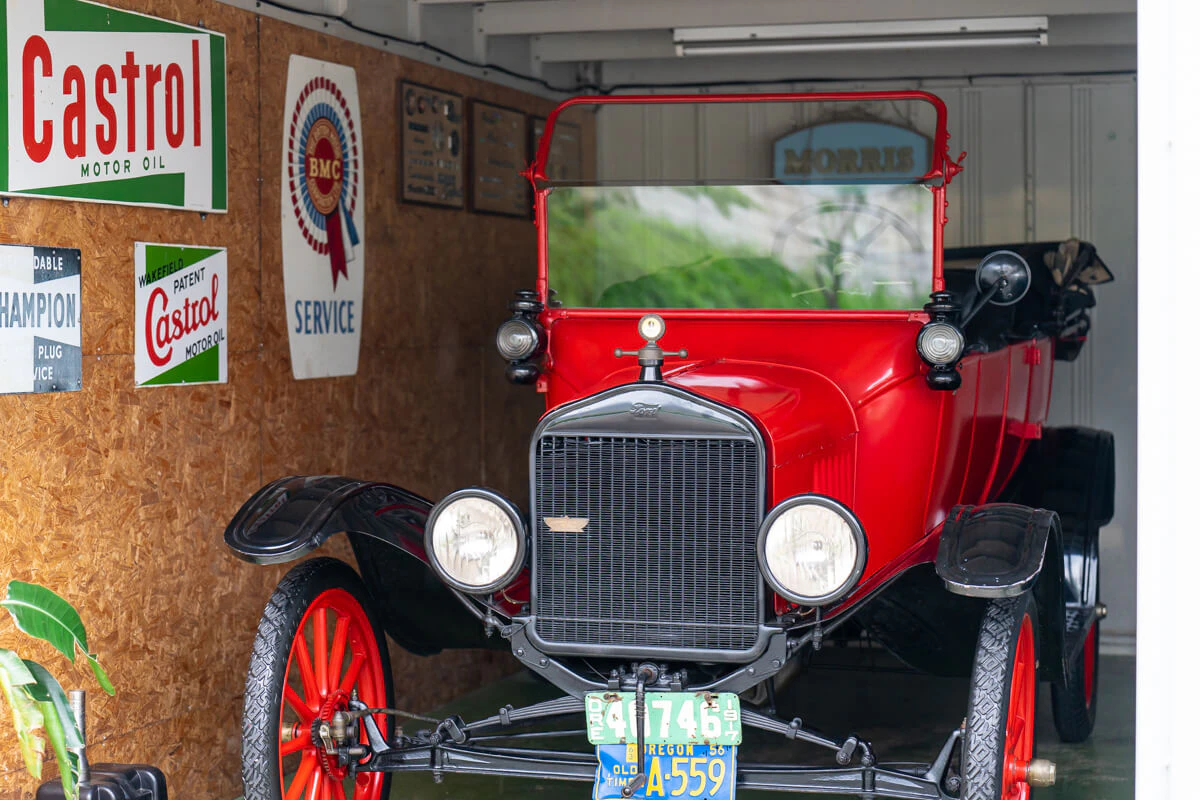
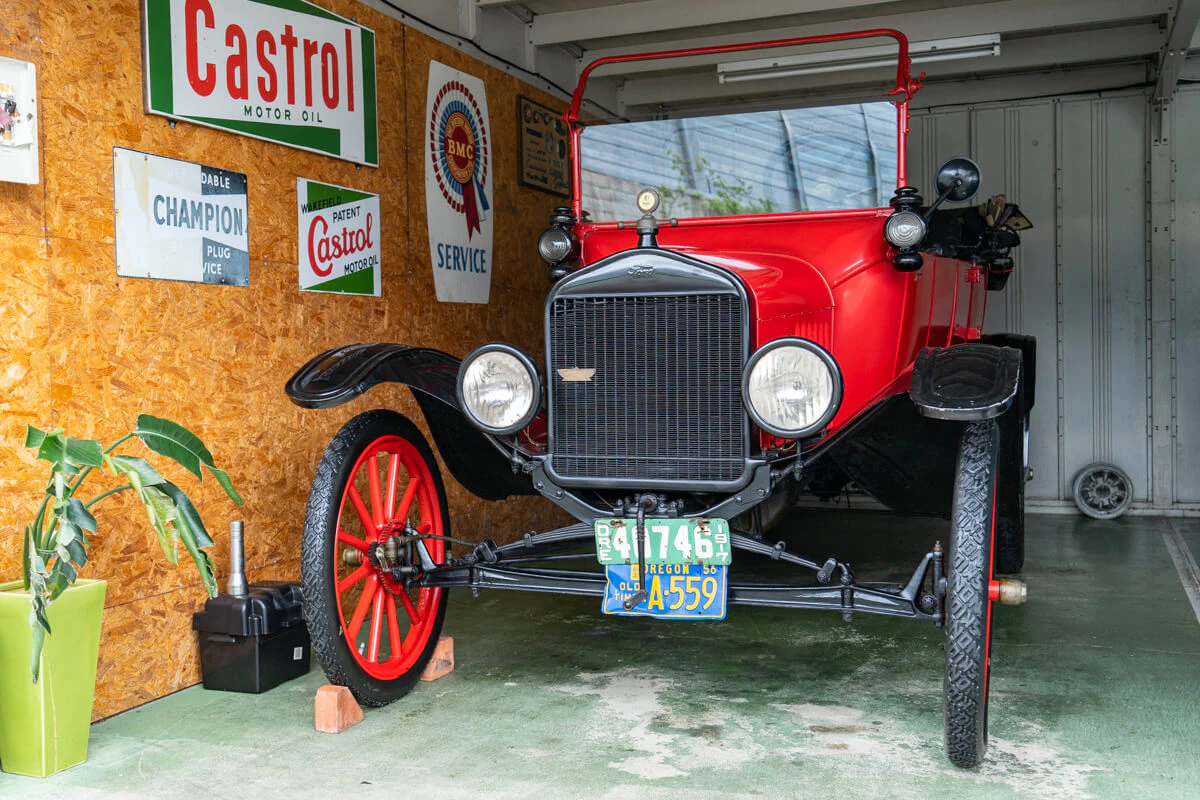
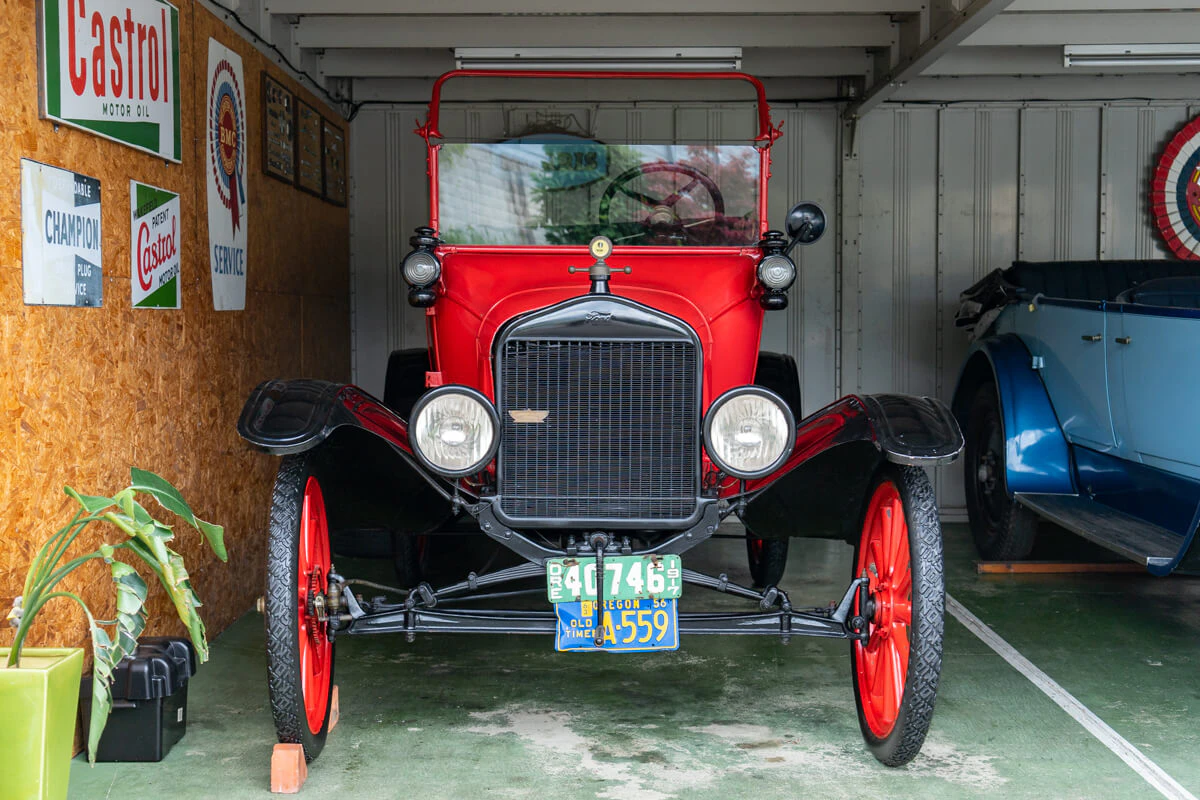
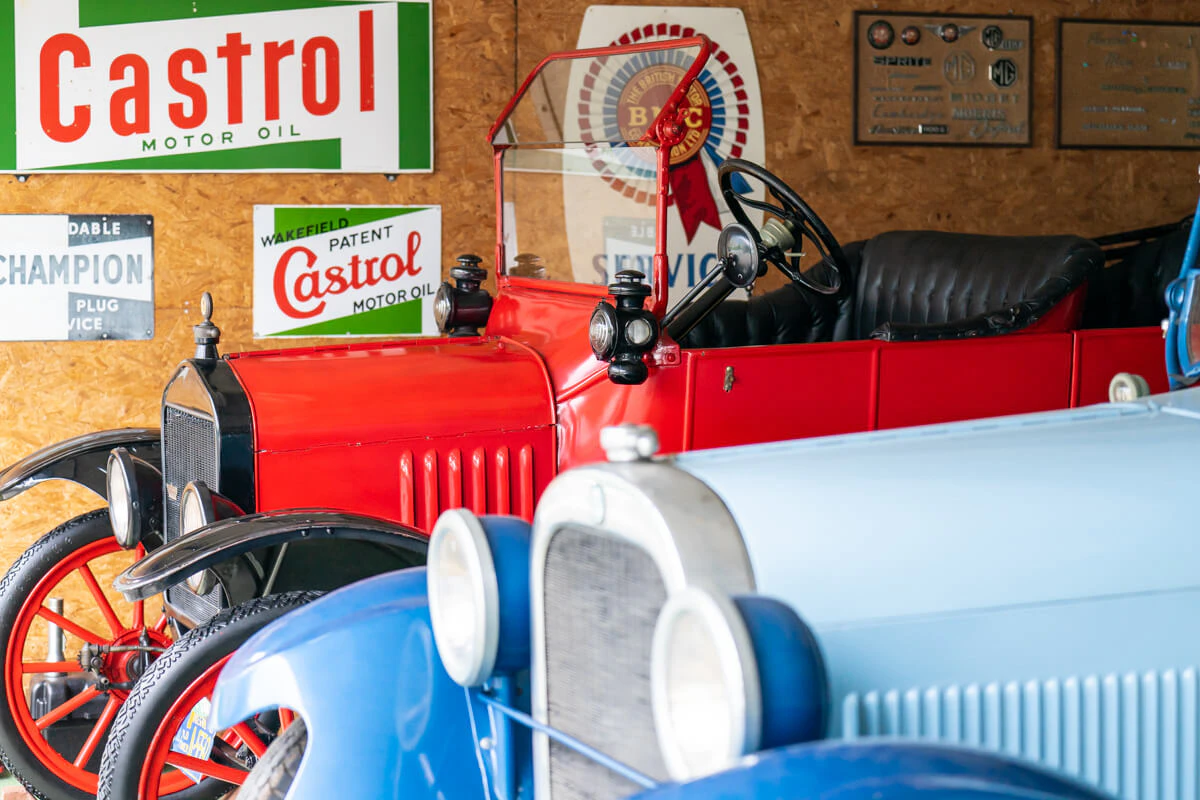
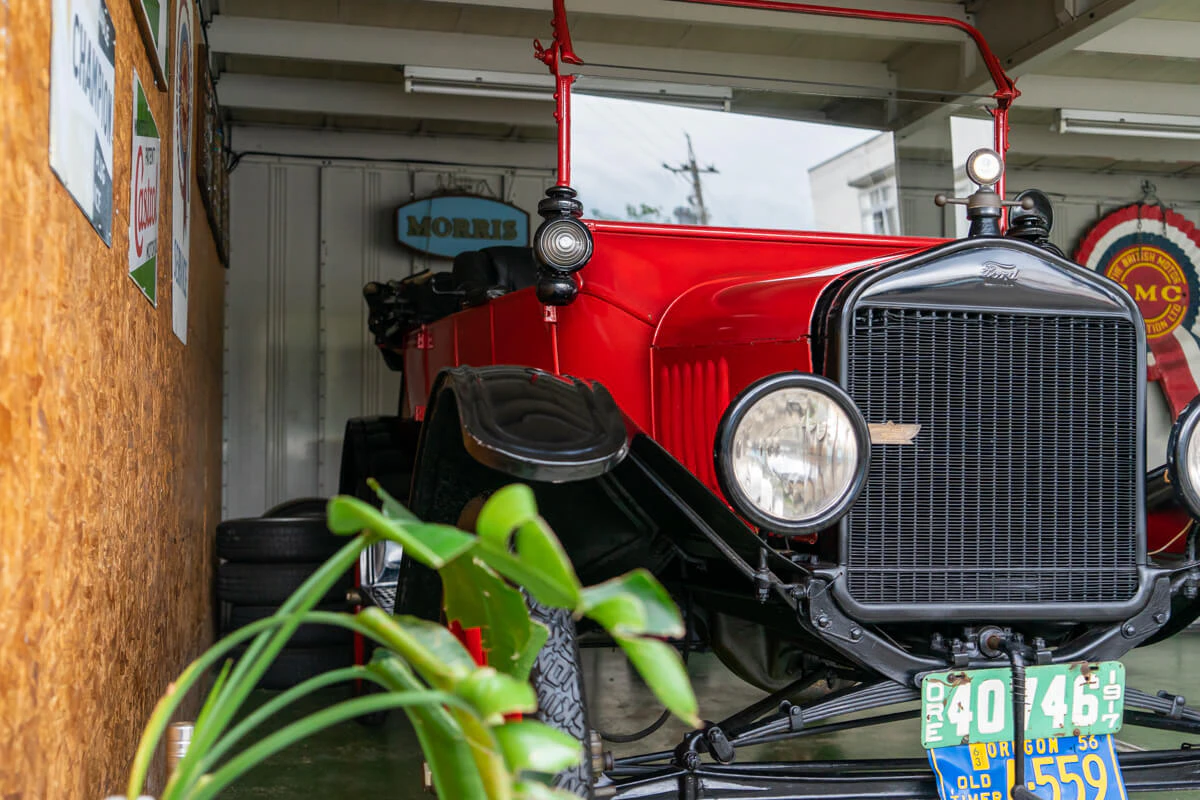
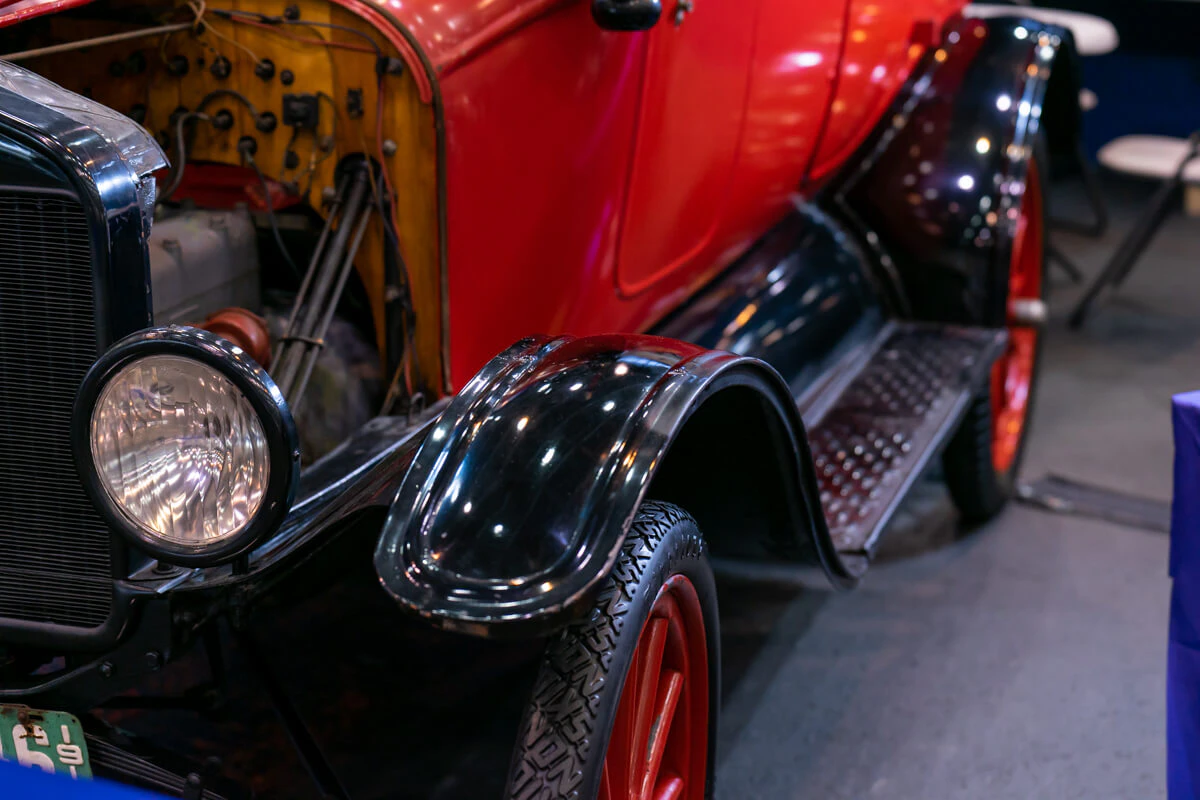
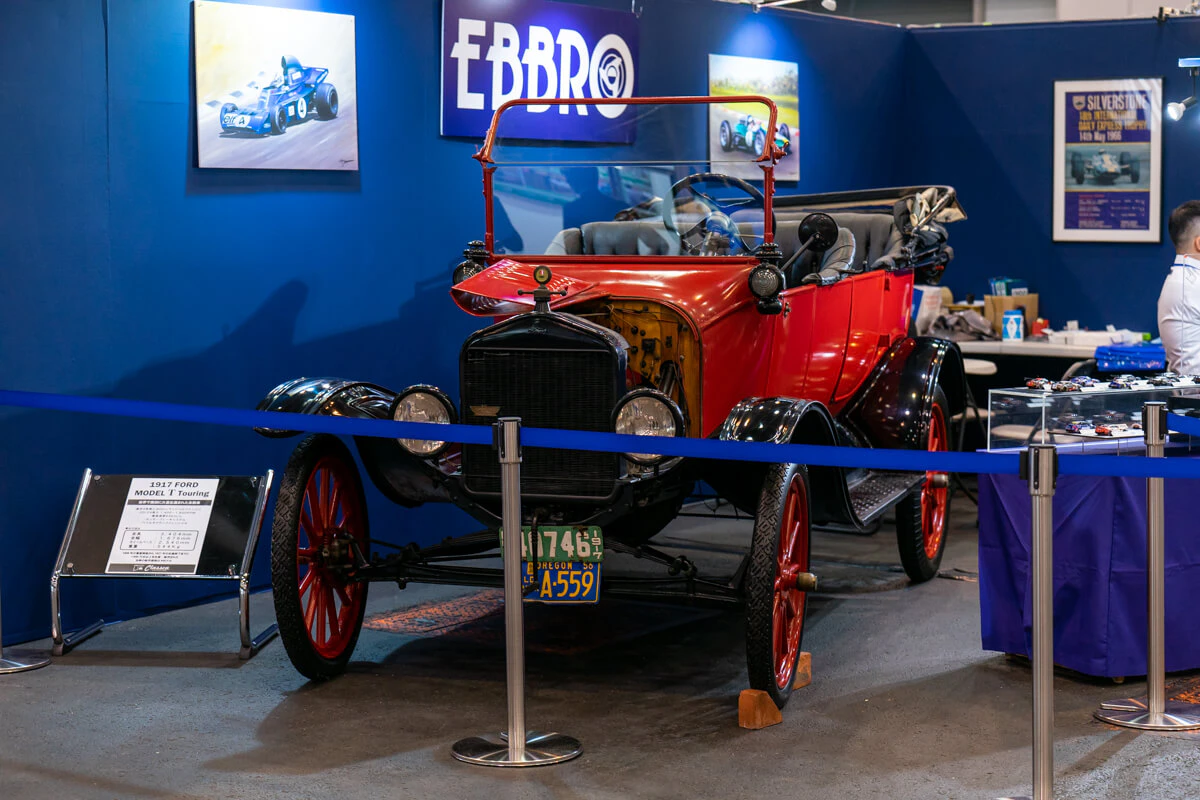
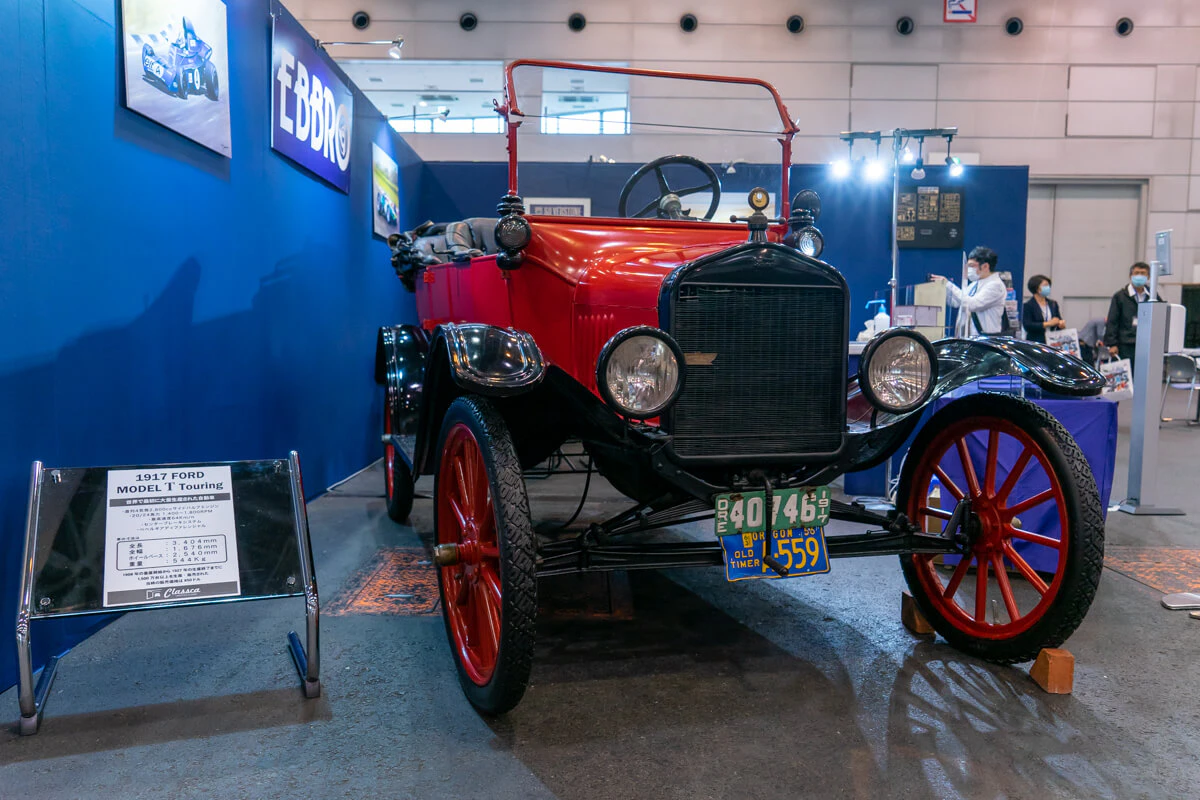
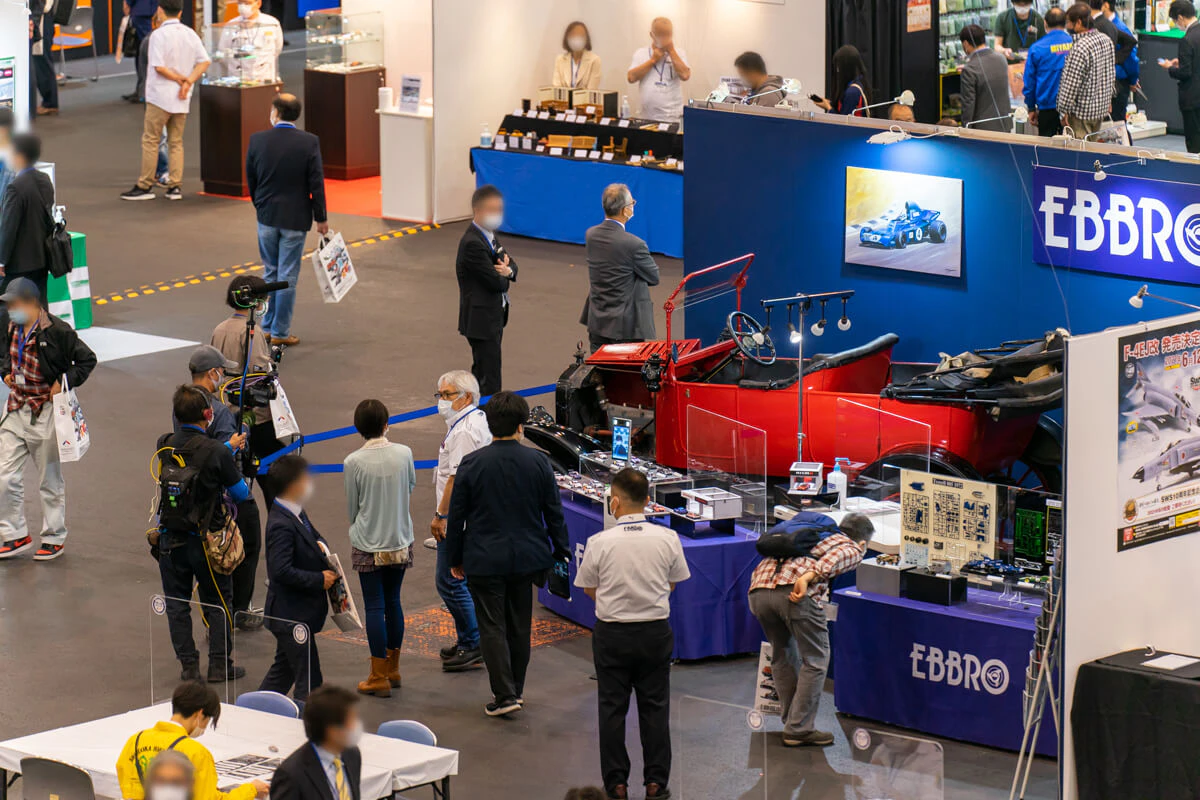
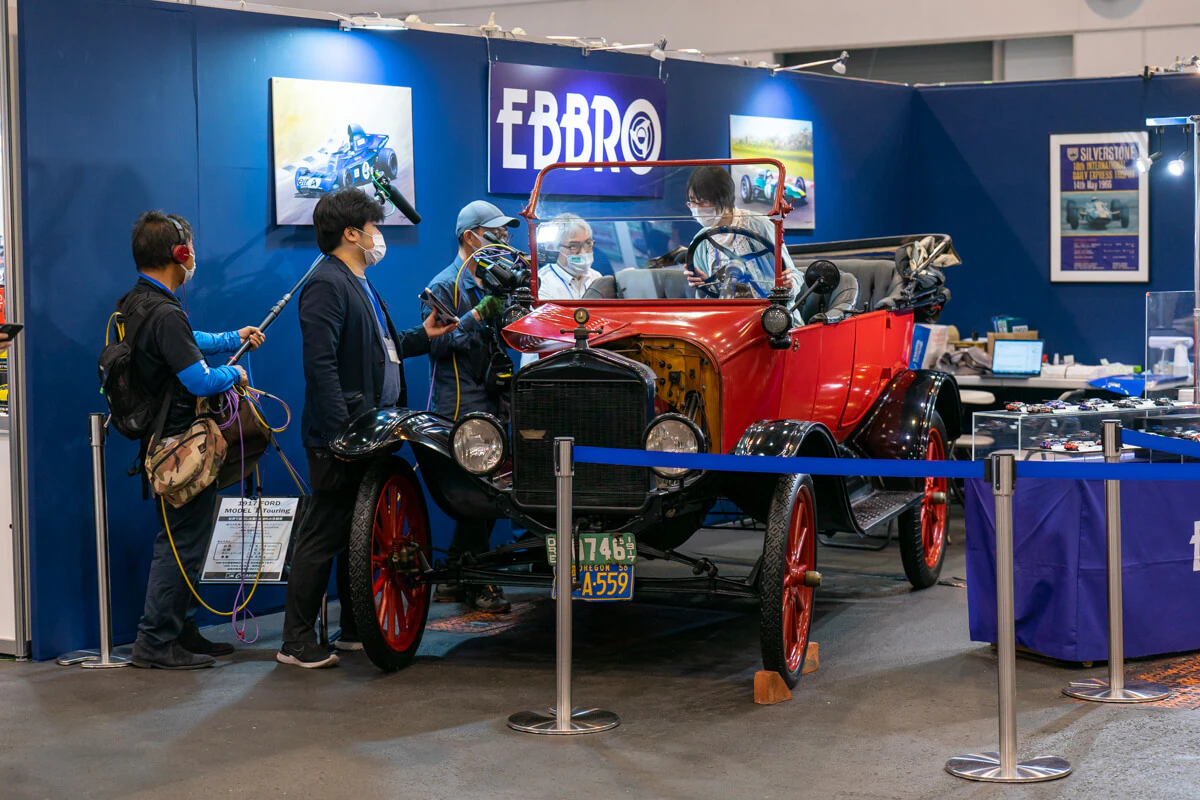
The Model T Ford, which can be said to have opened the history of automobiles, has arrived! It remains in a state that is hard to believe from 100 years ago.
Specifications
- Model
- Ford Model T 1917 Ford Model T
- Year
- 1917
- Mileage
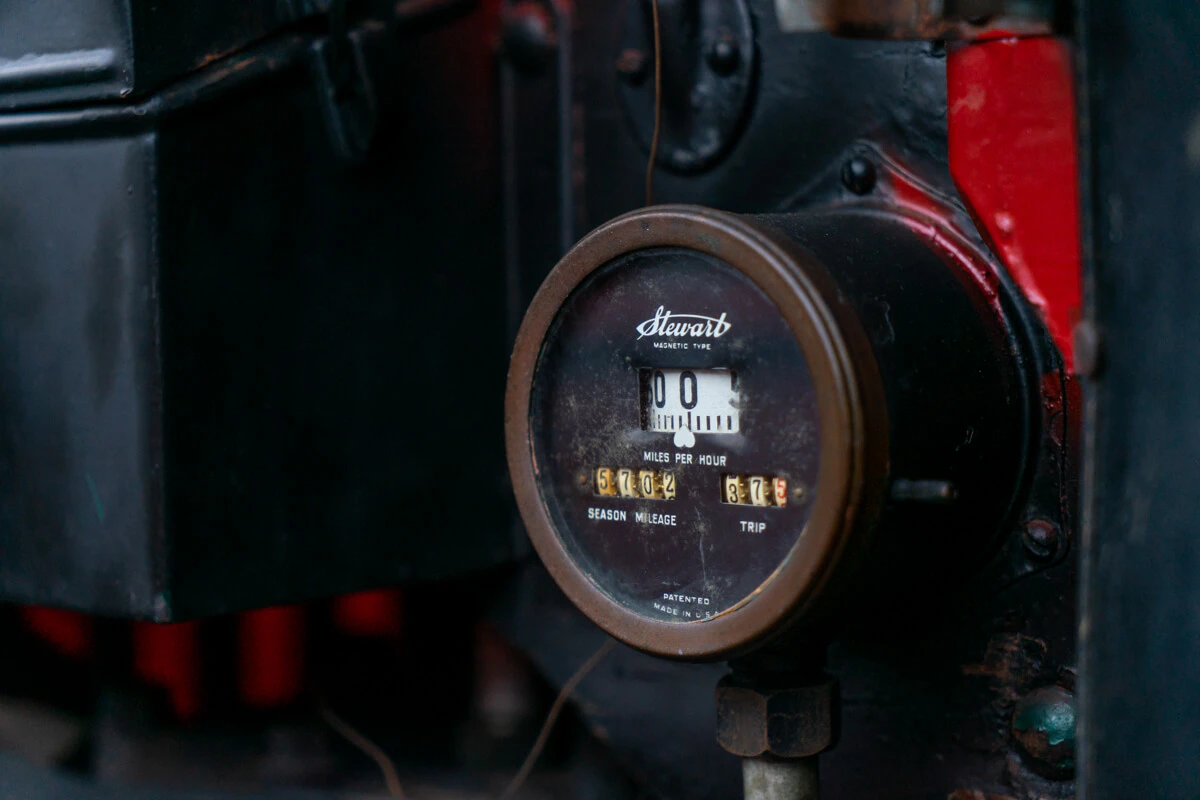
- not clear
- Transmission
- MT
- Engine Size
- 2,900
- Fuel System
- gasoline
- Color
- red/black
- Notes
- Present condition delivery
Equipment
- A/C
- Heater
- Audio System
- Dash Camera
- ETC
- Car Navigation
- Lighter Socket
- USB Port
MOVIE
POINT
The Model T Ford advanced the history of automobiles. Introducing the legacy left behind>
The very rare Model T Ford has arrived! The Model T Ford was developed in the 1910s and left a great mark on the history of automobiles. I would like to introduce its history.
``Left-hand drive in countries that drive on the right'' became established:
When automobiles began to be manufactured in the early 20th century, many cars were made with right-hand drive in the United States. At that time, the Model T Ford advocated that cars in countries where driving was on the right should be left-hand drive, and advertised this as well.
The reason why ``it should be left-hand drive'' is said to be out of consideration for the woman who was riding with him. Back then, the roads weren't paved yet, so my shoes got muddy when I walked on them. If the car is a right-hand drive car, the lady in the passenger seat must go down to the dirt road and walk to the sidewalk. If the car is a left-hand drive car, it can be parked on the right side of the sidewalk, so the ladies can get down to the sidewalk right away, so their feet don't get dirty. The Model T Ford's advertising slogan resonated with Americans at the time: it was a left-hand drive car for men who valued women. At the same time, the Model T Ford became so pervasive that it filled American roads, and other manufacturers followed suit, and left-hand drive became the standard model.
Established a mass production system for cars:
When I think of the Model T Ford, I am reminded of how it was created one after another in a mass production system, as Chaplin quipped in the movie Modern Times. However, the assembly line using conveyor belts was not actually something that existed from the beginning of Model T Ford production; it was a system devised to fill the large amount of orders that came in at the time of the car's announcement.
It is said that Henry Ford got the idea at a cannery, but it seems that it was invented by a later biographer. At first, Ford factories delivered parts to cars and assembled them. Since it was no longer possible to keep up with the number of orders, the idea to move the cars was to have one of the factory workers use rough ropes to pull the cars to where the parts were.
In any case, Henry Ford's idea was to make a lot and sell a lot. This led to the creation of a mass production system, and although several types of bodies were available, there was only one model, and the paint color was uniformly black, except in the early and late stages of production. As a result of mass production, the price was gradually lowered from its original price of $850 (although it was sometimes raised due to the war), and in the last few years it was as low as $290. Annual production started at 10,000 units, but in 1922 it exceeded 1.2 million units, and at its peak in 1923, it exceeded 2 million units.
Produced in large quantities, lowered prices, and made it possible for everyone to own a car:
Before the Model T Ford started rolling out of factories one after another, automobiles were extremely expensive and were out of reach for the average person. The Model T brought the convenience and fun of motoring to people who had previously given up on buying a car.
The fact that America has become so deeply connected to the automobile that it is often referred to as the Nation on Wheels is a result of the Model T Ford. Total production exceeded 15 million units in the 20 years from 1908 to 1927, so they were sold in every corner of America.
It was a convenient machine called the Model T Ford that changed the age of horse-drawn carriages to the age of automobiles, especially for people living on farms far from towns. You can see this in the film The Grapes of Wrath, directed by John Ford and based on the original work by John Steinbeck. The story is about a family of farmers who are forced to leave their land and load all of their belongings into an old truck and travel to California, but they have many difficulties paying for gas and overheating. The model used in the movie appears to be the Model A Ford, the successor to the Model T, but the image of a used truck that manages to keep running despite being so loaded with cargo that the body of the truck is almost stiff is exactly what the Ford Model T was supposed to look like. It was a familiar sight everywhere in pre-war America.
The prototype of automatic transmission was used:
The Model T Ford's engine is a 2.9-liter four-cylinder engine. Because the compression ratio was kept low, the power output was not spectacular, but it was praised for its high reliability among the cars of the time. The gearbox was somewhat unique in its structure. The Model T used a two-speed planetary gearbox instead of the typical cone clutch and three- or four-speed spur gearbox of the era. From there, there were no difficulties for beginners such as the difficulty of clutch operation and gear shifting, and it was easy to use even for first-time motorists.
If we compare the Model T Ford to fashion, it may be easy to understand the role of fast fashion in contrast to the luxury goods of haute couture. If anything is different, it's that well-worn fast fashion is never neglected, whereas there are still plenty of Model T Fords left in America. It's not just an old machine, it's a cherished companion filled with family nostalgia.
The Model T Ford, which can be said to have opened the history of automobiles, has arrived! It remains in a state that is hard to believe from 100 years ago.